Driving in Uruguay guide
A fishing village, rocks and a national park next door.
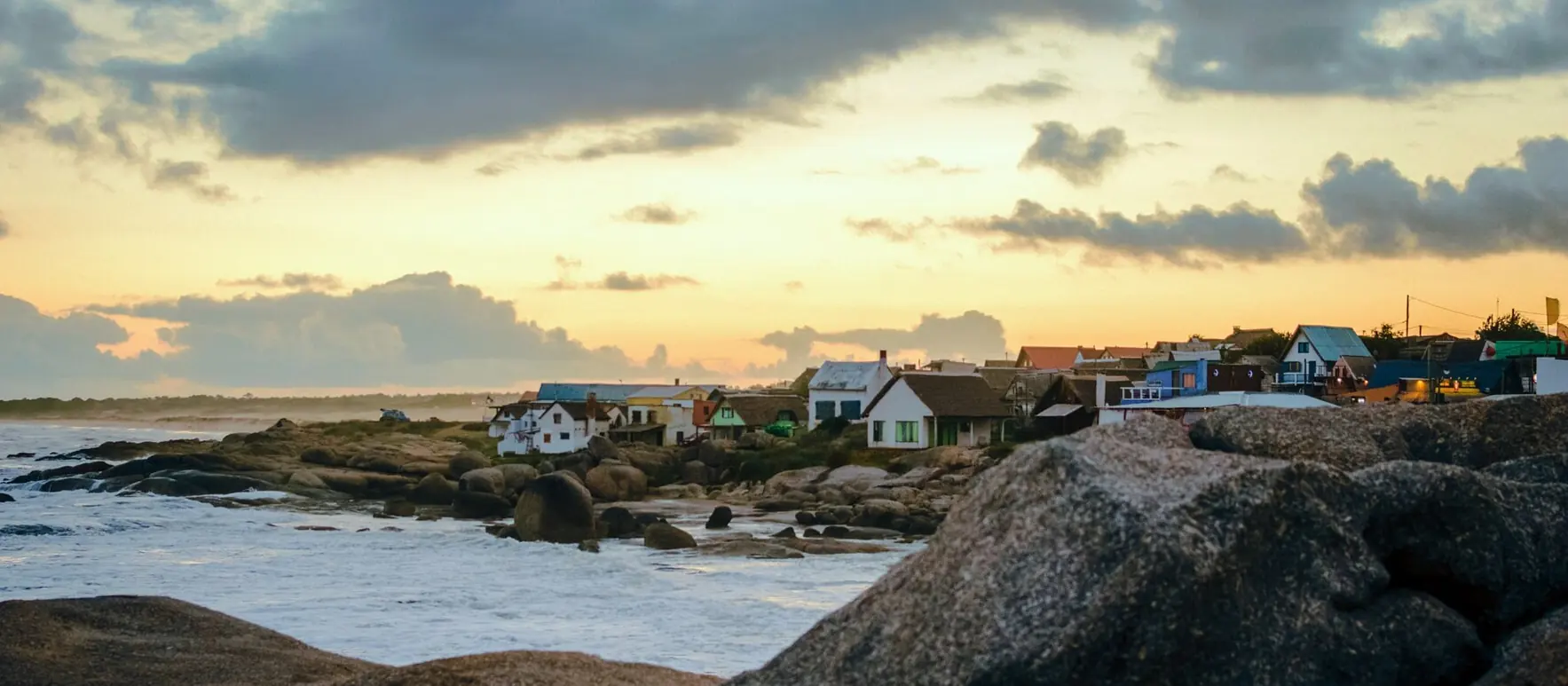
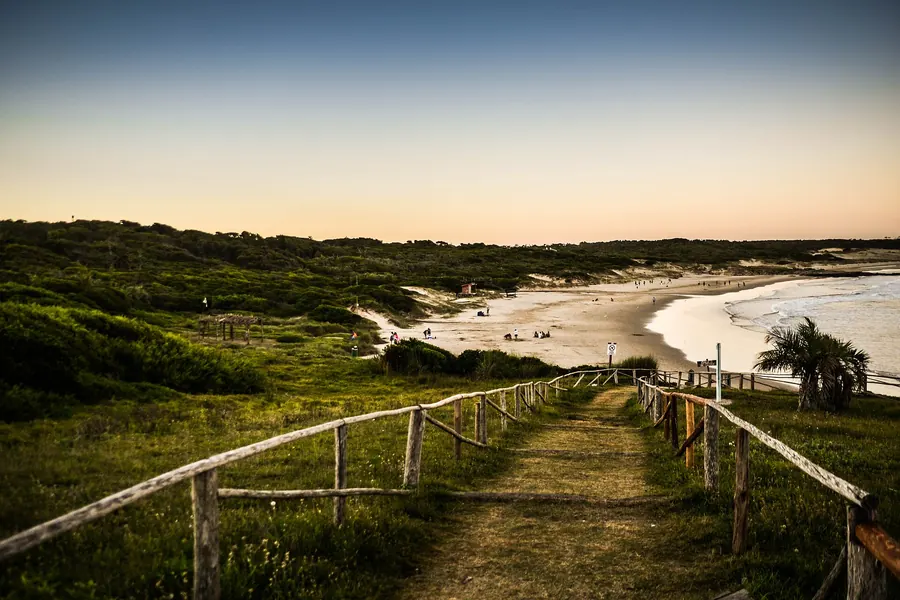
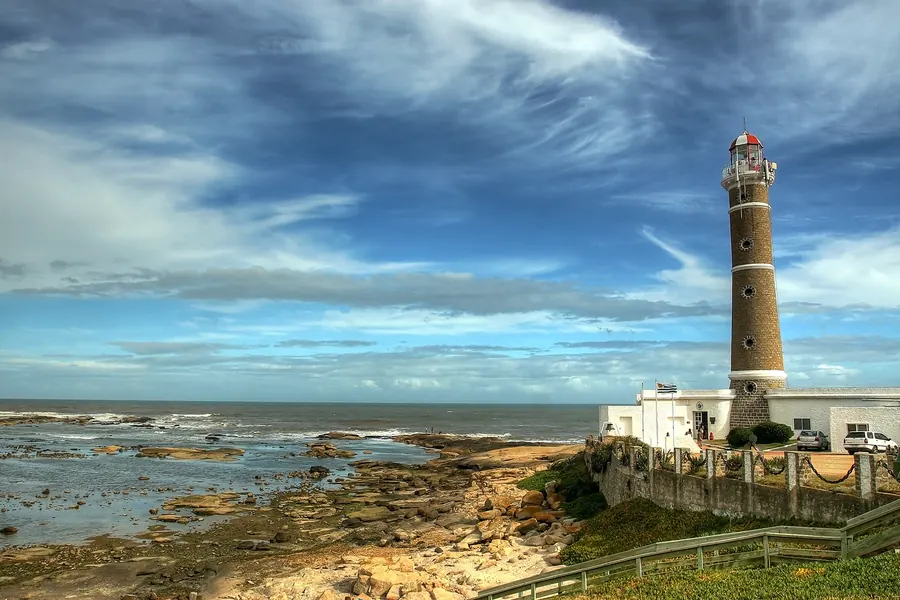
Punta del Diablo began as a fishing village and keeps that feel: low houses, sandy streets and rocky points between beaches. A few kilometers away is Santa Teresa National Park, with forest, long beaches and an 18th-century fortress.
- Distance293 km
- Approx. time4 h 30 min
- 3 tolls · $ 642 one way
The road, stop by stop
Kilometers from our office (La Paz 1319). Approximate times, without stops.
When to set off. It’s about 4 h 30 of driving, almost all on Route 9. In high season the village fills up: before you set off, check Waze or Google Maps for live traffic and the best route.
- km 32Pando toll · $ 214, paid when you return the car
- km 81Solís toll · $ 214, paid when you return the car
- km 191Garzón toll · $ 214, paid when you return the car · On Route 9, the road to the Rocha coast.
- km 199
Rocha
The department capital, halfway there: a good place to refuel and stretch your legs.
- km 254
Castillos
The last big town on Route 9 before you arrive.
- km 278
Cabo Polonio
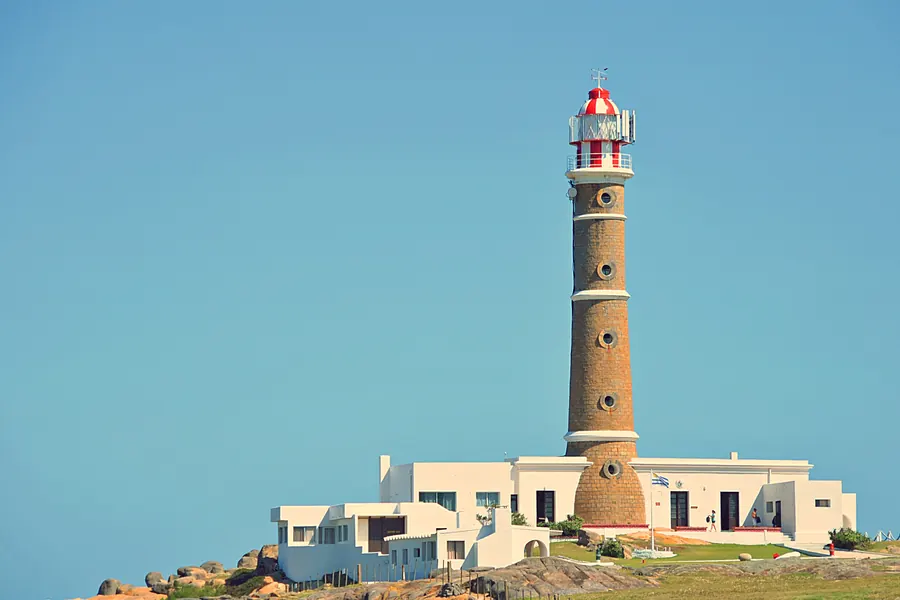
Short detourFrom Route 9 you reach the access terminal on Route 10. It deserves its own day: see its guide.
See the guide - km 293
Punta del Diablo
You made it. Below: what to see and where to leave the car.
- km 297
Santa Teresa National Park
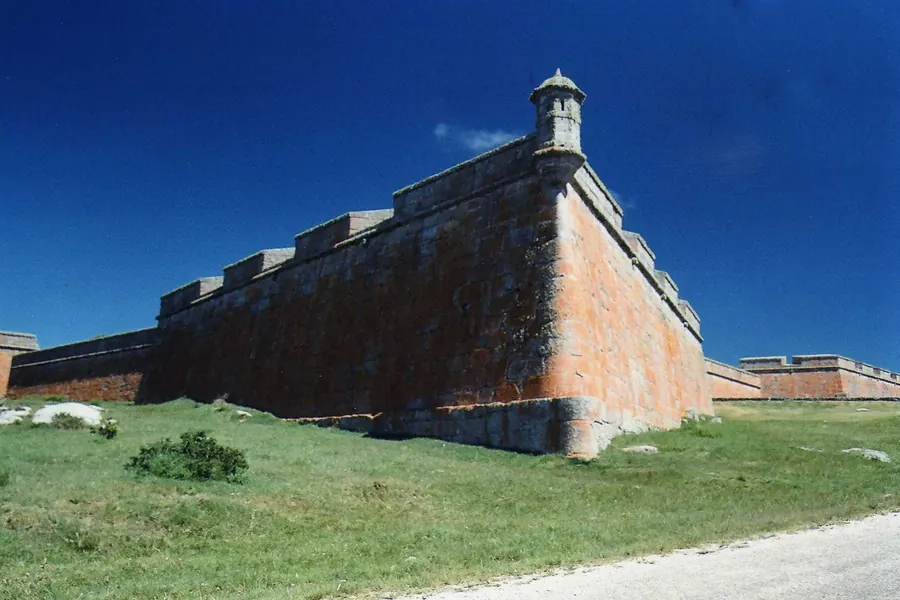
4 km from the village, with its entrance on Route 9 at km 302. Inside is the Santa Teresa Fortress, begun by the Portuguese in 1762.
When you arrive
The rocky points
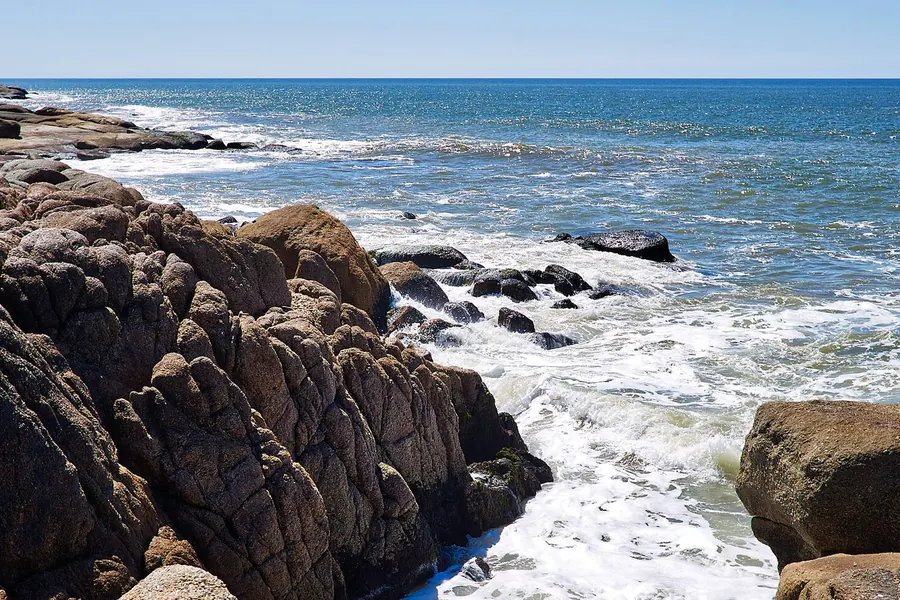
Between Playa de los Pescadores, La Viuda and El Rivero, the rocks are the best place to see the open sea and the sunset.
Santa Teresa’s beaches
About 12 km of beaches inside the park, such as La Moza and Playa Grande, reached by trails through the forest.
Santa Teresa Fortress
A stone fortress from 1762 in the middle of the park, about 800 meters from the coast.
Where to leave the car
The village has dirt and sand streets: drive slowly and park where you don’t block the way. In Santa Teresa Park there are marked spots to leave the car near the beaches.
Choose your car
Lowest daily rates of the upcoming seasons: they vary with the dates. You’ll see the exact total when you choose yours.
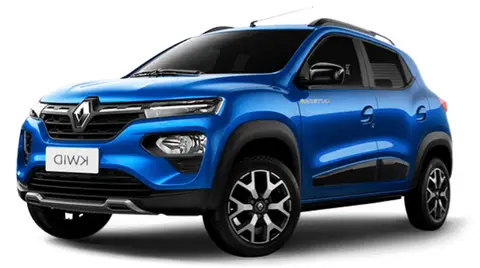 Economy ManualRenault KwidfromUSD 30 per dayBook
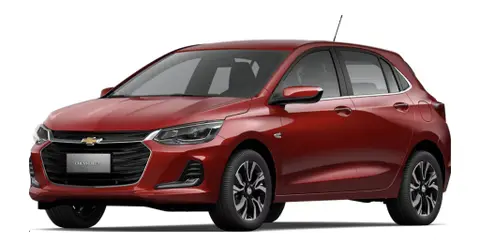 Compact ManualChevrolet Onix Hatch, Citroën C3 or similarfromUSD 36 per dayBook
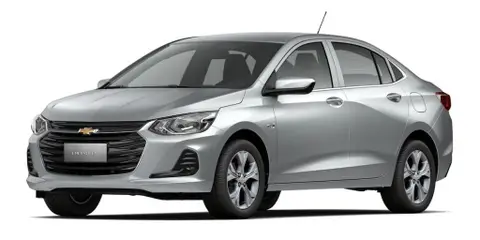 Sedan ManualChevrolet Onix Sedan or similarfromUSD 42 per dayBook
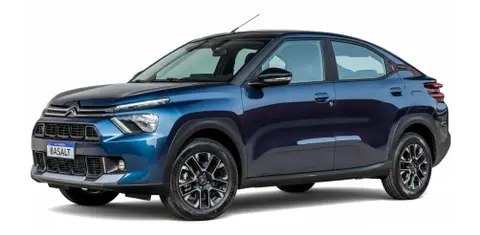 Manual SUVCitroën BasaltfromUSD 45 per dayBook
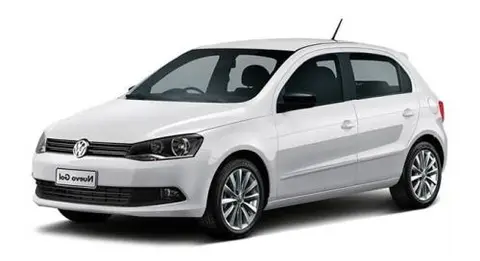 Compact AutomaticVW Gol Hatch AT or VW Polo ATfromUSD 50 per dayBook
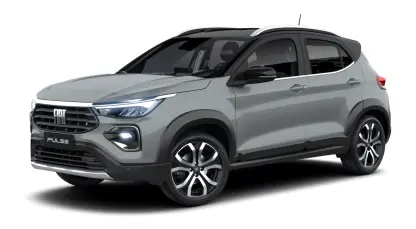 Compact SUV AutomaticFiat Pulse or similarfromUSD 52 per dayBook
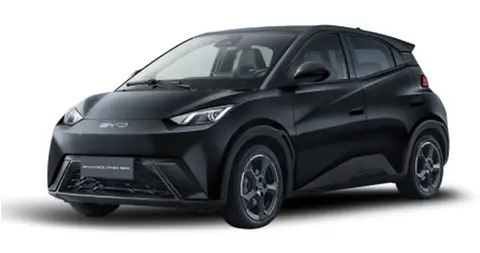 Electric AutomaticBYD Seagull or similarfromUSD 55 per dayBook
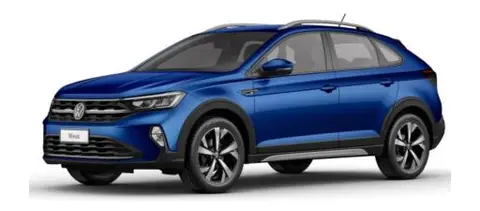 Medium SUV AutomaticVW Nivus, Renault Duster or similarfromUSD 55 per dayBook
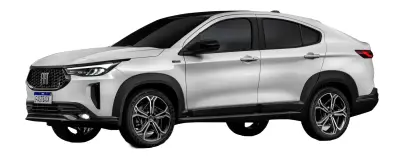 Big SUV AutomaticFiat Fastback or similarfromUSD 60 per dayBook
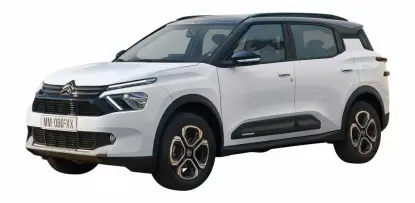 SUV 7-Seater AutomaticCitroën AircrossfromUSD 60 per dayBook
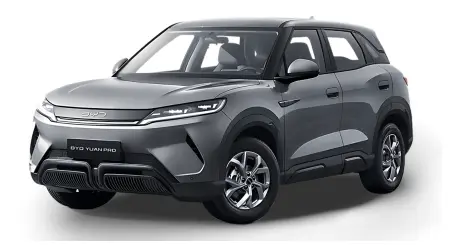 Electric SUV AutomaticBYD Yuan Pro or similarfromUSD 90 per dayBook
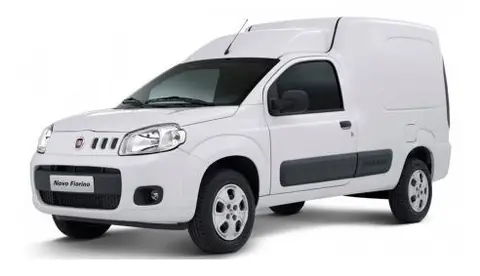 Cargo Van ManualFiat Fiorino or similarfromUSD 38 per dayBook
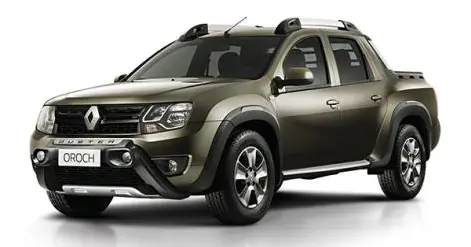 Pick-Up ManualRenault Oroch 4x2 or similarfromUSD 40 per dayBook
Explore Uruguay at your own pace
For this trip
A round trip is about 586 km: rent for 3 days or more, which include unlimited mileage. With fewer days the included km won’t cover it and extra km is charged.
- Everything is closeUruguay is small: from Montevideo, Punta del Este is just over 2 hours away and Colonia 2 h 30. In a few days you can combine coast, countryside and city.
- Your own paceStop wherever you like, change plans on the go and reach places buses don’t.
- Hassle-freePick up at the office, the Airport, the Port or Tres Cruces. The car has an electronic toll tag and from 3 days mileage is unlimited.
More getaways
See all guides

Before you go
What must be in the car
- Your valid driver’s license, the physical card (local or foreign).
- Your ID card or passport.
- The car’s documents (a copy of the registration and of the insurance policy): they’re already in the car, don’t take them out.
Driving without fines
- Low beams always on. On highways they must be on day and night.
- Zero alcohol. The limit is 0.0 g/l for all drivers.
- Speed limits. The general highway limit is 90 km/h, but signs show where it goes up or down along the way. Waze also shows the limit for each stretch and warns about speed cameras: it’s the app that works best for this.
Fines and the deposit
Traffic fines are sent to us, and local governments take about 15 to 20 days to notify us. That’s why the deposit stays held on your credit card for that period after you return the car. If a fine arrives after the return, it’s charged to the deposit.
Renting an electric car?
You can also make this trip in an electric car. Good to know:
- Charging on the roadSeveral apps show public charging points, and some let you pay for the charge from your phone. UTE’s app is UTE Mueve, with points all over the country.
- Emergency cableThe car comes with a cable of about 2 kW to plug into a Schuko outlet rated for that power. It charges slowly: it’s to get you out of a jam.
Photos: Wikimedia Commons. Some photos are cropped.
Franco Frizzo (CC BY 3.0) · GabyElizalde (CC BY-SA 3.0) · rodoluca (CC BY-SA 3.0) · Marcelo Campi (CC BY-SA 3.0) · TitiNicola (CC BY-SA 4.0)